Last Stand Urges City to Deliver Water Quality Monitoring, Not Just Plans
Last Stand Urges City to Deliver Water Quality Monitoring, Not Just Plans
Last Stand formally addressed the City Commission at the January 6, 2026 meeting as they reviewed the proposed scope for the long-awaited return of the City’s water quality monitoring contract – months after the Request for Proposals was issued, and more than a year after the City ended its water testing partnership with the College of the Florida Keys (CFK).
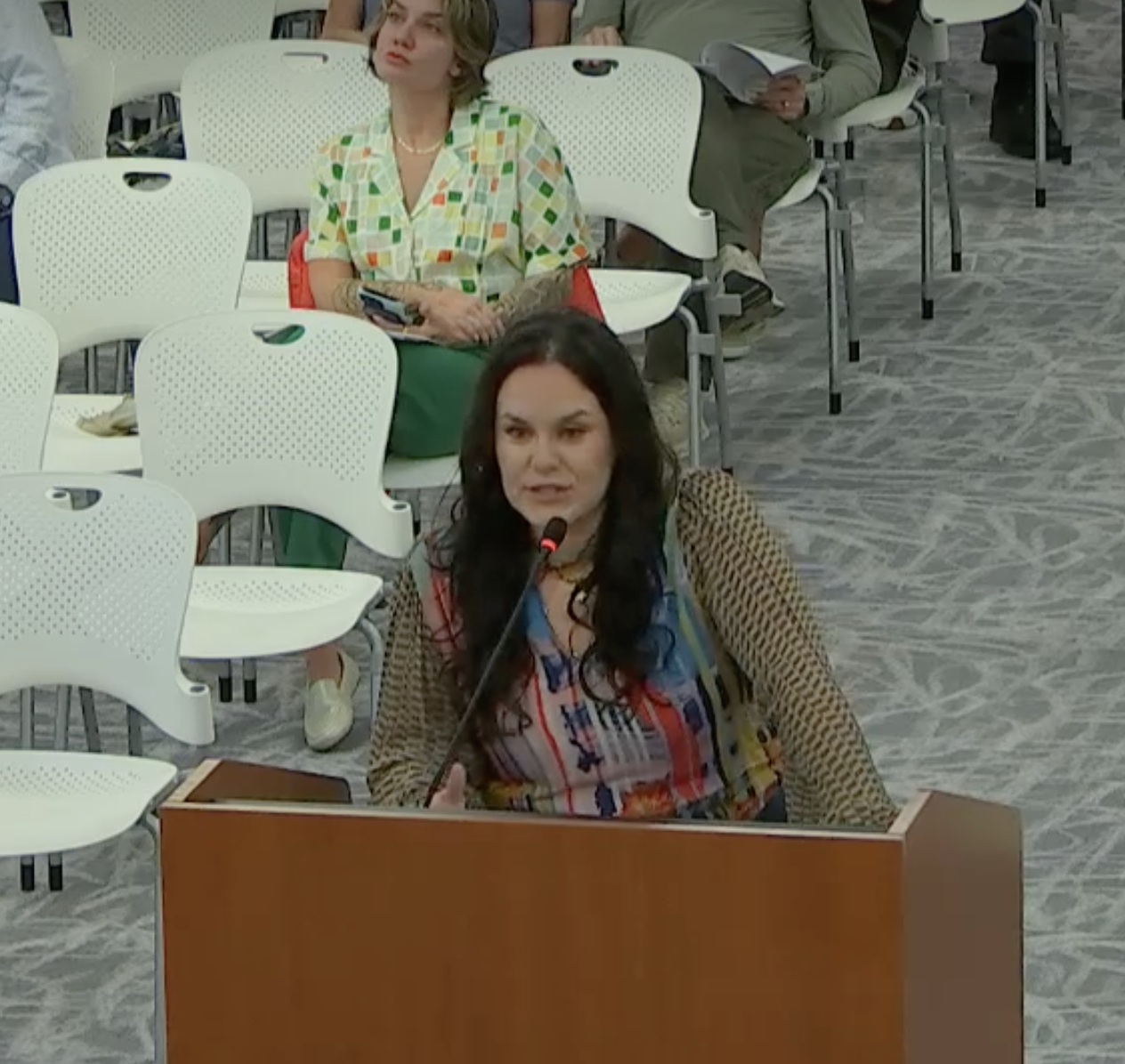
Last Stand President Chris Massicotte and Executive Director Jordan Mannix-Lachner addressed Commissioners at the January City Commission meeting, outlining serious flaws in the proposed scope of work and urging the City to correct them — and to stop delaying real monitoring.
The City had previously partnered with the College of the Florida Keys for testing, but terminated the partnership after CFK released water quality testing results that implicated cruise ships in violating state water quality standards. Since then, despite repeated assurances, the City has yet to restore a robust water quality monitoring program for Key West Harbor.
Now, the City has released the signed contract. The only substantive change made was to adopt revisions proposed by Pier B’s attorney.
What the Contract Does — and Does Not — Do
Out of 21 deliverables, only one involves any monitoring at all — and that deliverable simply duplicates beach testing already conducted by the Florida Department of Health. The contract does not require new harbor monitoring.
The agreement also gives City management broad authority to reduce the scope or terminate the contract entirely, without returning to the City Commission for approval.
The result is a contract that offers no certainty about what will be accomplished once all funds are spent. As written, there is no guarantee that the City will have any new data about the health of the waters that are fundamental to our economy, environment, and way of life. At best, the City will end up with more samples of the same beach water FDOH is already testing.
Last Stand raised these concerns clearly and directly at the January City Commission meeting. Once again, the only change made was to incorporate revisions proposed by Pier B’s attorney.
Planning Is Not the Same as Monitoring
The vast majority of the contract’s scope is devoted to planning future programs. To be clear: planning is important. The plans outlined in this agreement may have value.
But planning only matters if it leads to action, and this contract provides no indication that action will follow. There is no requirement to implement monitoring, no timeline for doing so, and no funding set aside to make it happen.
In fact, this agreement reflects that the City will be doing less, not more, than it was at the beginning of last year, when actual water quality monitoring was still taking place.
Last Stand will continue to press for transparency, accountability, and real data. Protecting our waters requires more than plans on paper. It requires action.
